
Loading Now
×

Magnesium Deficiency in India 2026: Symptoms, Causes & Treatment
10002281669189801235965960632
Magnesium Deficiency in India

The Overlooked Mineral Crisis Affecting Sleep, Stress & Heart Health in 2026

META DESCRIPTION

Magnesium deficiency is silently rising in India, affecting sleep, stress, heart health, and muscles. Learn symptoms, doctor advice, medicines, traditional remedies, and a printable Indian diet chart.

FOCUS KEYWORDS

magnesium deficiency India, low magnesium symptoms, magnesium rich foods India, mineral deficiency India


Medical Disclaimer

This article is for educational and informational purposes only. It does not replace professional medical advice, diagnosis, or treatment. Always consult a qualified doctor before starting magnesium supplements or treatment.


Why Magnesium Deficiency Is Becoming Common in India

Magnesium is one of the most essential minerals for the human body, yet it remains widely overlooked in India. In 2026, nutritionists and doctors report a growing number of Indians—across all age groups—showing signs of magnesium deficiency.

This rise is closely linked to:

  • Highly processed diets
  • Reduced intake of whole grains and greens
  • Chronic stress
  • Poor sleep quality
  • Increased caffeine consumption

Unlike vitamin deficiencies that show obvious signs, magnesium deficiency often presents with vague, confusing symptoms, making it difficult to diagnose early.


What Is Magnesium and Why Is It So Important?

Magnesium is a vital mineral involved in over 300 biochemical reactions in the body. It plays a key role in:

  • Muscle and nerve function
  • Heart rhythm regulation
  • Blood sugar control
  • Bone strength
  • Stress and sleep regulation

Without adequate magnesium, the body struggles to maintain balance across multiple systems.


Common Symptoms of Magnesium Deficiency in Indians

Early & Common Symptoms

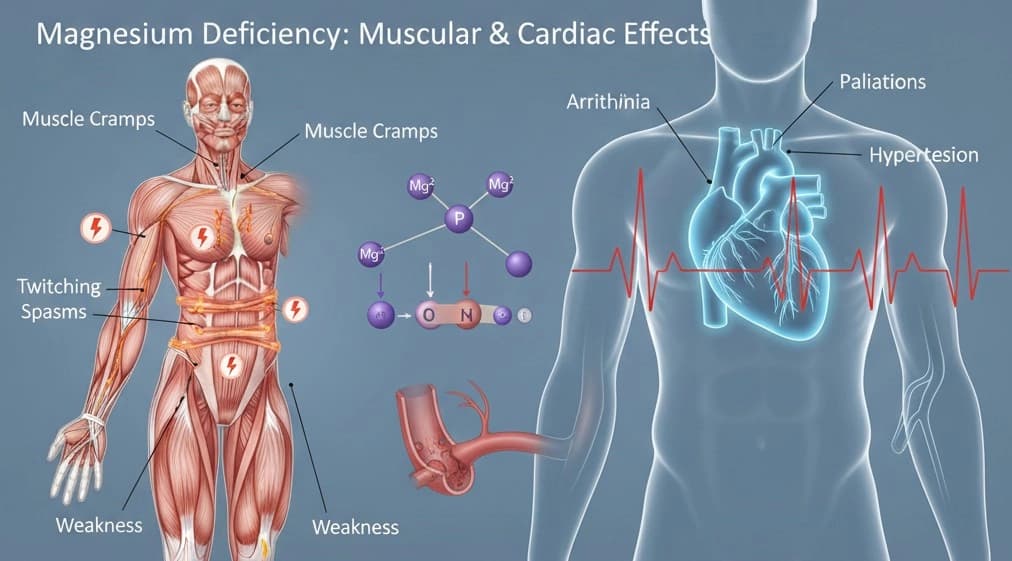
  • Muscle cramps or twitching
  • Fatigue and weakness
  • Poor sleep or insomnia
  • Anxiety or restlessness
  • Headaches

Advanced Symptoms

  • Irregular heartbeat
  • High blood pressure
  • Numbness or tingling
  • Frequent migraines
  • Mood disturbances

Because these symptoms overlap with stress and lifestyle disorders, magnesium deficiency often goes undetected.


What Doctors Say (Modern Medicine)

Doctors in India increasingly recognize magnesium deficiency as a contributing factor to lifestyle diseases. Clinical guidance followed by practitioners aligns with nutrition research referenced by institutions such as the .

Diagnosis

Magnesium deficiency is diagnosed through:

  • Blood magnesium levels (with clinical correlation)
  • Symptom assessment
  • Review of diet, stress, and medication use

Doctors note that blood levels may appear normal even when body stores are low.

India‑Focused Generic Medicines

When deficiency is confirmed or suspected, doctors may prescribe:

  • Magnesium Oxide
  • Magnesium Citrate
  • Magnesium Glycinate (better tolerated for digestion)

These may be given alone or combined with calcium or vitamin B‑complex, depending on individual needs.

⚠️ Self‑supplementation without guidance is discouraged, especially in kidney conditions.


Traditional & Alternative Approaches

Traditional Indian health systems emphasize mineral balance through diet and digestion.

Ayurvedic Perspective

Ayurveda associates magnesium‑like functions with Majja Dhatu and nervous system balance. Deficiency is linked to poor digestion (Agni) and excessive mental stress.

Ayurvedic recommendations include:

  • Warm, nourishing meals
  • Adequate healthy fats
  • Stress‑reducing routines
  • Avoidance of excessive stimulants

Yoga & Lifestyle Practices

Magnesium depletion is worsened by chronic stress. Helpful practices include:

  • Yoga Nidra
  • Anulom Vilom pranayama
  • Gentle stretching
  • Regular sleep‑wake timing

These practices reduce cortisol, helping the body retain magnesium.


Why Modern Indian Diets Lack Magnesium

Traditional Indian diets were naturally magnesium‑rich due to:

  • Millets
  • Whole grains
  • Leafy vegetables
  • Legumes

Modern diets now rely heavily on:

  • Refined flour (maida)
  • Polished rice
  • Packaged foods
  • Sugar‑heavy snacks

Food processing strips away magnesium, leaving diets calorie‑dense but nutrient‑poor.


Printable Magnesium‑Rich Diet Chart (Indian Style)

Start your day with warm water and a handful of soaked almonds or cashews. For breakfast, include options like vegetable poha, oats, or millet dosa. Mid‑morning, eat one fruit such as banana or papaya. For lunch, include roti made from whole wheat or millets, dal or legumes, green leafy vegetables, and curd.

In the evening, snack on roasted chana, peanuts, or seeds instead of packaged snacks. Dinner should be light and include vegetables, khichdi, or soup. Avoid excessive tea or coffee after evening hours. Maintain hydration throughout the day to support mineral balance.

🖨️ This routine can be printed and followed daily.


Foods Rich in Magnesium vs Foods That Deplete It

Magnesium‑Rich Foods

  • Green leafy vegetables
  • Nuts and seeds
  • Whole grains and millets
  • Bananas
  • Legumes

Magnesium‑Depleting Habits

  • Excess caffeine
  • Alcohol
  • High sugar intake
  • Chronic stress

Magnesium, Sleep & Stress Connection

Low magnesium directly affects:

  • Melatonin production
  • Nervous system relaxation
  • Muscle recovery

This explains why many Indians with poor sleep or anxiety improve significantly once magnesium levels are corrected under medical guidance.


When to Consult a Doctor

Seek medical advice if you experience:

  • Persistent muscle cramps
  • Unexplained fatigue
  • Palpitations
  • Sleep issues not improving with lifestyle changes
  • Long‑term stress or anxiety

Early correction prevents complications.


Final Thoughts – India’s Hidden Mineral Deficiency

Magnesium deficiency is a silent but impactful health issue in India. In 2026, correcting mineral balance is just as important as managing calories or weight. With mindful eating, stress management, and medical guidance when needed, magnesium deficiency is entirely preventable and reversible.

Sometimes, better health begins with the smallest nutrients.


External links:

Internal links:


81 / 100 SEO Score

Post Comment