Loading Now

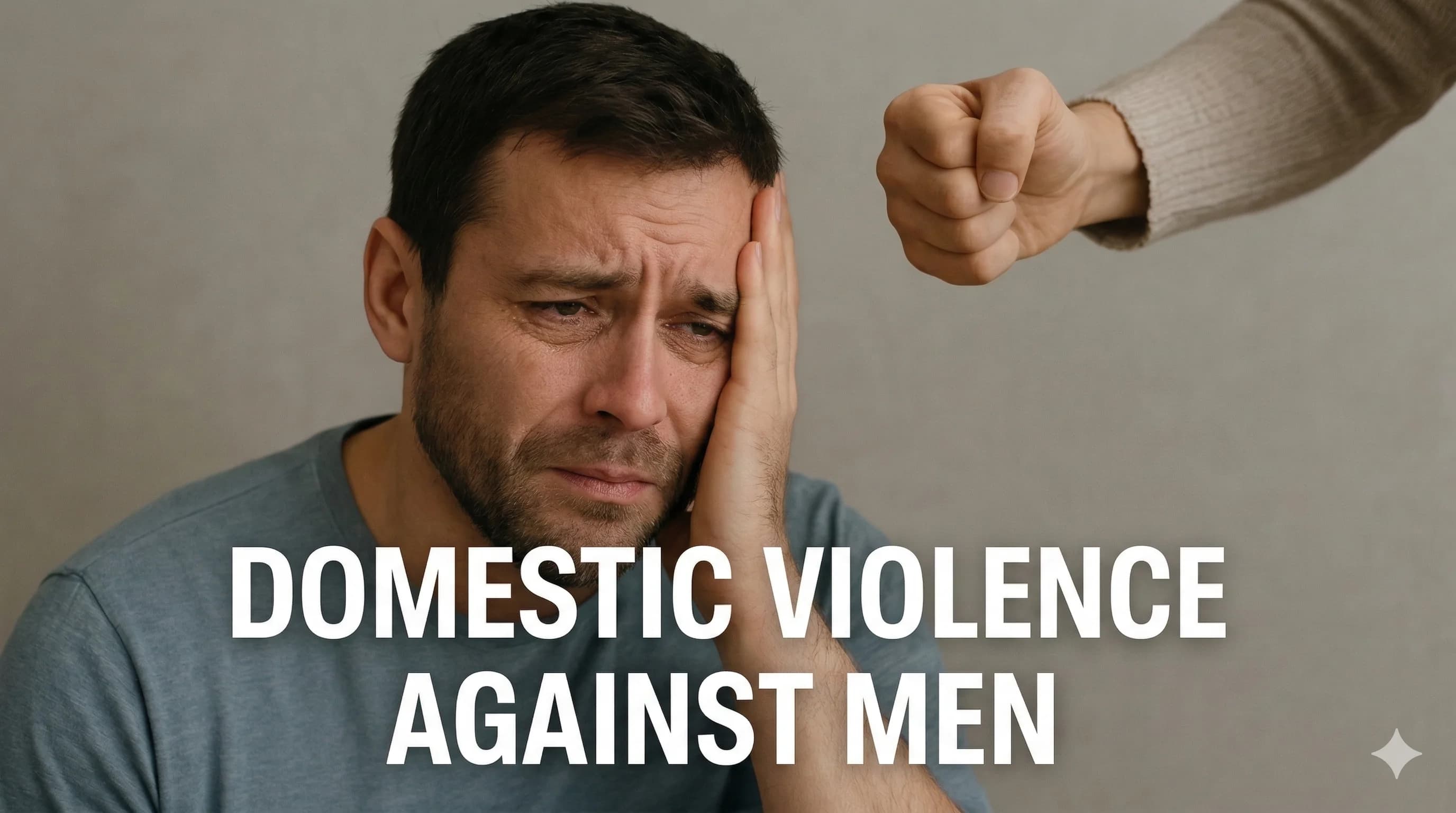
Domestic Violence Against Men: A Silent Epidemic

file 00000000e2e051f8b650330235a5252a conversation id67e969d1 9af8 8004 8735 fec378b7fb1fmessage id13f1ff64 3e35 42ae 975f c54d1920e737

Introduction

Domestic violence is often perceived as an issue that primarily affects women. However, men also experience domestic abuse at alarming rates. Despite this, societal norms and stereotypes prevent many male victims from seeking help or even acknowledging their suffering. This blog explores the prevalence, challenges, and solutions surrounding domestic violence against men.

Understanding Domestic Violence Against Men

Domestic violence against men encompasses physical, emotional, verbal, sexual, and financial abuse perpetrated by intimate partners or family members. The abuse can occur in heterosexual and same-sex relationships and can have devastating effects on the victim’s mental and physical well-being.

Forms of Abuse Experienced by Men

  1. Physical Abuse – Hitting, slapping, pushing, or using weapons.
  2. Emotional and Psychological Abuse – Manipulation, gaslighting, threats, and constant criticism.
  3. Verbal Abuse – Insults, name-calling, and demeaning language.
  4. Sexual Abuse – Forced sexual acts, coercion, or withholding intimacy as punishment.
  5. Financial Abuse – Controlling finances, limiting access to money, or coercing financial dependency.

Prevalence and Statistics

While domestic violence against men is underreported, research suggests that a significant percentage of men suffer from abuse. Studies indicate that approximately 1 in 3 domestic violence victims are male. However, due to stigma and lack of awareness, many cases go unreported.

Challenges Faced by Male Victims

  1. Social Stigma – Men are often ridiculed or disbelieved when they speak about their abuse.
  2. Lack of Support Services – Most domestic violence shelters and helplines are geared toward female victims.
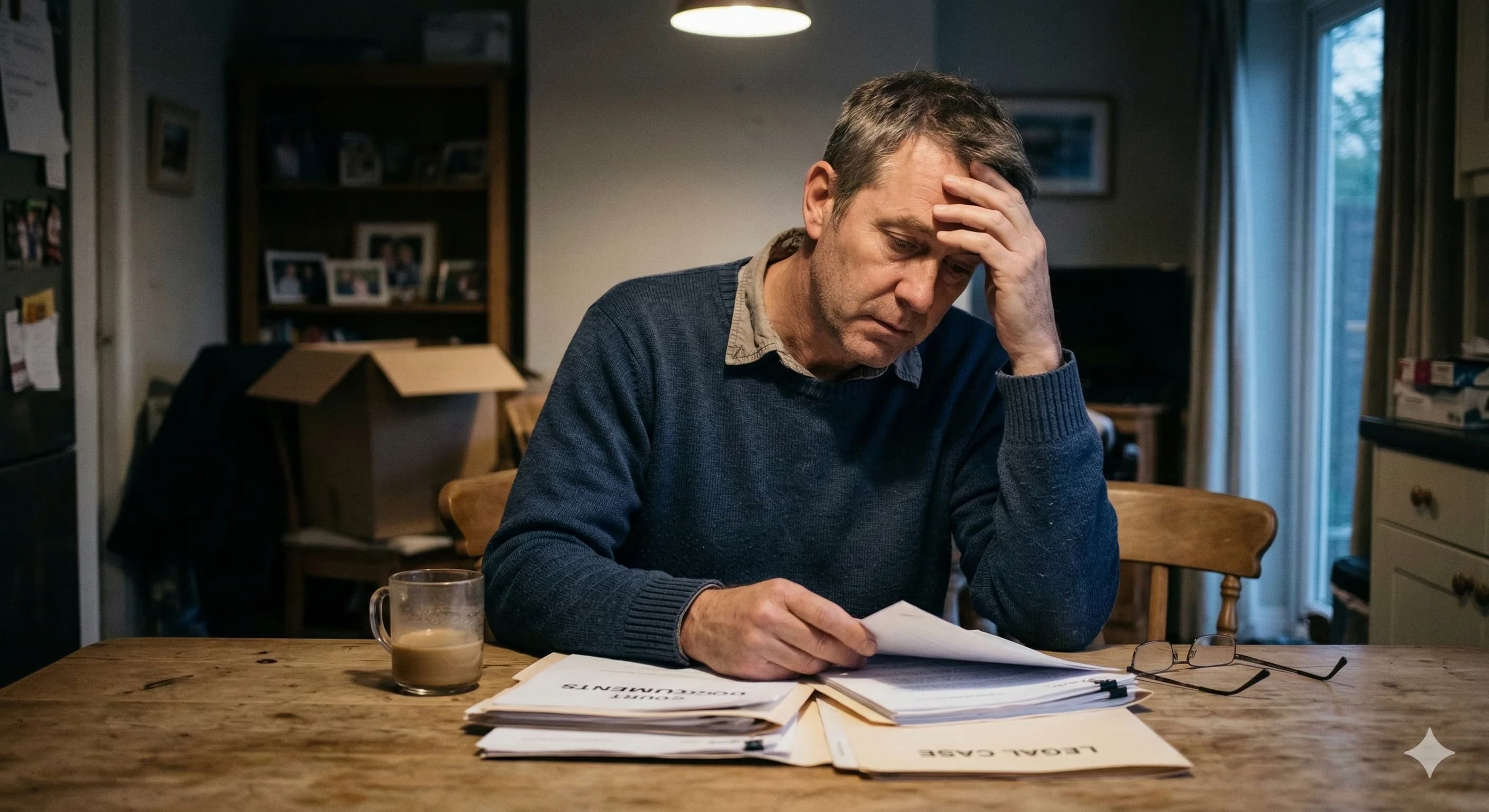
  3. Legal Bias – The legal system may favor female victims, making it harder for men to obtain restraining orders or custody rights.
  4. Fear of Losing Children – Fathers in abusive relationships may fear losing custody of their children if they report the abuse.
  5. Emotional and Psychological Toll – Feelings of shame, guilt, and isolation prevent men from seeking help.

Breaking the Silence: Encouraging Male Victims to Seek Help

To address domestic violence against men, society must take steps to create a more inclusive and supportive environment.

Steps to Support Male Victims:

  • Raising Awareness – Educating the public about domestic violence against men.
  • Encouraging Open Conversations – Reducing stigma through discussions in media and communities.
  • Providing Gender-Neutral Support Services – Creating shelters and hotlines specifically for men.
  • Strengthening Legal Protections – Ensuring men receive fair treatment in domestic abuse cases.
  • Promoting Mental Health Resources – Offering therapy and counseling tailored to male survivors.

Where to Seek Help

If you or someone you know is experiencing domestic violence, several organizations provide support:

  • National Domestic Violence Helpline (Helpline numbers vary by country)
  • Local Support Groups and therapy centers
  • Men’s Rights Organizations advocating for male domestic abuse victims

Conclusion

Domestic violence against men is a real and pressing issue that demands attention. By acknowledging male victims, providing appropriate resources, and changing societal attitudes, we can create a more just and supportive environment for all victims of domestic abuse.

Related Articles

Share Your Thoughts

Have you or someone you know faced domestic violence? Share your experiences or thoughts in the comments below.


Post Comment